
The Real ROI of a Website Rebuild: How to Make the Business Case to Your Board
88% of users will not return after a bad website experience. The average ROI of a properly scoped website rebuild is 200–400% over three years. Here is the financial model that makes the case internally.
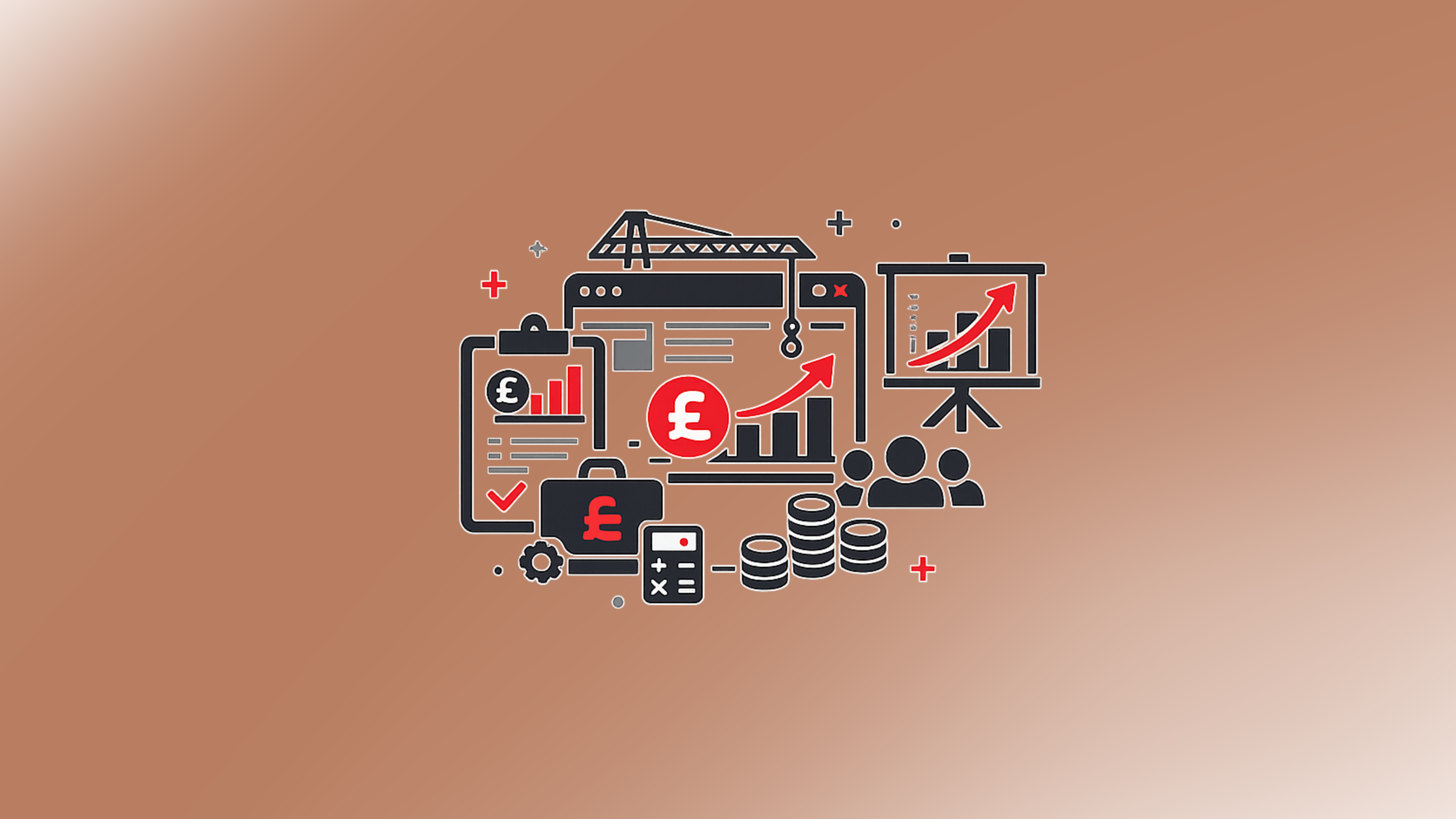
Website rebuild proposals fail to get approved for one of two reasons: the business case is not made at all, or it is made in design terms rather than commercial ones. A proposal that describes the need for better typography, updated photography, and a refreshed brand identity is asking for budget on aesthetic grounds. A proposal that models the revenue impact of improved conversion rates, reduced bounce rates, and higher organic search visibility is asking for budget as a commercial investment. The second proposal gets approved.
The practical challenge is building the financial model. This requires connecting website performance metrics to commercial outcomes, which is entirely possible with the data most organisations already have access to.
Building the Revenue Model
Start with the current state baseline. What is the site's current organic traffic? What is the conversion rate from organic visitor to lead or transaction? What is the average value of a converted visitor? These numbers, from Google Analytics or equivalent, give you the denominator.
Then model the improvements. A site that passes Core Web Vitals typically sees a 15–30% improvement in organic traffic within six months of launch, driven by improved search rankings. A site with a properly designed conversion flow typically sees a 20–40% improvement in conversion rate. A site that loads in under 2 seconds versus over 4 seconds shows a 14–28% improvement in session duration and pages per session.
Apply those improvements to your baseline: if the current site generates 10,000 organic visitors per month at a 2.5% conversion rate with an average order value of £150, the annual revenue from organic is £450,000. A 20% organic traffic improvement and a 25% conversion rate improvement generates an additional £180,000 in year one. Over three years, with compounding from improved rankings and accumulated UX improvements, the case builds substantially.
Research by Forrester found that the average ROI of a properly scoped website rebuild is 200–400% over three years, with the primary value drivers being reduced support costs (better UX means fewer confused users contacting support), improved lead quality (better messaging attracts better-fit prospects), and direct revenue impact from conversion improvement.
The Cost of Inaction
88% of online consumers say they will not return to a website after a bad experience, according to research by Sweor. The cumulative effect of a poor website experience is not visible in a single metric — it is distributed across bounce rates, abandonment rates, direct booking losses, and brand perception erosion that happens slowly but compounds over time.
The cost of the current site is not just its direct performance shortfall. It is the incremental decay of commercial performance every month the decision is deferred — while competitors with newer, faster, better-converting sites capture the audience the current site is pushing away.
What to Include in the Board Proposal
A website rebuild proposal that secures board approval includes: the current site's measurable commercial performance (traffic, conversion, revenue attribution); a conservative, central, and optimistic model of performance improvement based on comparable projects; the build cost as a capital investment with a modelled payback period; and the cost of inaction expressed as monthly revenue leakage from the current site's underperformance.
The payback period on a properly scoped website rebuild is typically 12–18 months in our experience. Most boards will approve a capital investment with an 18-month payback, particularly when the alternative is continued monthly revenue leakage from an underperforming digital asset. The challenge is making that case with numbers rather than aesthetics — which is why the financial model is the document that gets the decision made.
Keep reading

AI & Technology · 17 April 2026
Everyone's Building Tools With Claude. The Hard Part Is Shipping Them.

Development · 17 April 2026
Umbraco vs WordPress: Why Serious Businesses Are Making the Switch
AI & Technology · 17 April 2026
Umbraco 17 Is Here — And It Changes How You Work
Also from our work
Eunoia
Eunoia – Praxismenedzsment terapeutáknak
Egy praxismenedzsment operációs rendszer pszichoterapeuták számára – amelyet azért fejlesztettünk, hogy csökkentse a terápiás munka adminisztratív terheit, így a szakemberek arra fordíthatják az idejüket, ami igazán számít.
View article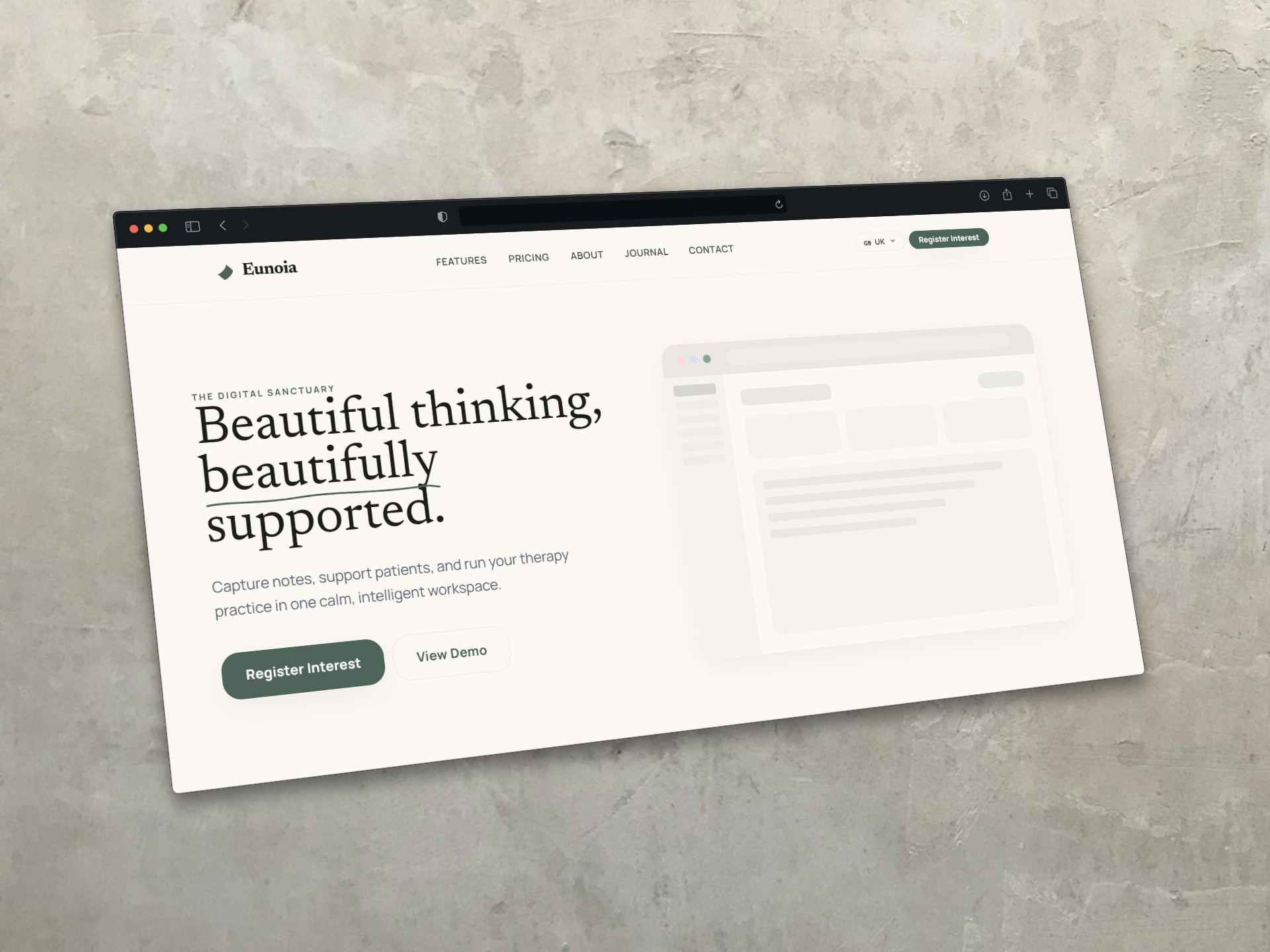
Keep Reading