Umbraco 17 Is Here — And It Changes How You Work
Umbraco 17 isn't just a version bump. It's the most AI-forward release the platform has seen, with tools that genuinely accelerate content workflows. Here's why upgrading is worth it — and how to make the most of what's new.

Every major CMS release arrives with promises. More speed, better editor experience, improved developer tooling. Umbraco 17 delivers on all three — but what makes it genuinely different is a serious commitment to AI-assisted workflows that goes beyond novelty. If you're running an older version of Umbraco, this is the release that makes upgrading feel less like maintenance and more like a genuine upgrade to how your team works.
What's New in Umbraco 17
A Modern, Faster Back Office
Umbraco 17 completes the transition to a fully modernised back office built on Lit web components. The result is an interface that loads faster, responds more fluidly, and scales better across different screen sizes. For content teams working in the CMS daily, this isn't a minor cosmetic change — it's a meaningful improvement to the texture of everyday work.
Block Grid Refinements
The Block Grid editor reaches maturity in Umbraco 17. Editors have finer control over layout, dragging and reordering is smoother, and the developer-facing APIs for creating custom block views are more flexible. If your site relies on a page-builder-style workflow, this is significant.
.NET 10 Under the Hood
Umbraco 17 runs on .NET 10, which brings meaningful performance improvements — faster startup times, better memory management, and improved throughput under load. For high-traffic sites, this translates directly into reduced infrastructure costs and better user experience.
Delivery API Improvements
The Content Delivery API receives further refinements in version 17. Better filtering, improved performance, and more predictable response shapes make it a serious option for teams running Umbraco as the content layer behind a Next.js, Astro, or SvelteKit front end.
AI in Umbraco 17: The Productivity Story
This is where Umbraco 17 earns its place as a step change rather than an incremental update.
AI-Assisted Content Generation
Umbraco 17 introduces native hooks for AI-assisted writing within the back office. Content editors can draft copy, generate SEO metadata, and produce alt text for images directly from the editing interface — without switching context to a separate tool.
The implementation is thoughtful. Rather than replacing the editor's voice, the AI functions as a first-draft collaborator. A content manager working on a new product page can generate an initial draft, refine it, and publish — in a fraction of the time the same task would have taken previously.
Intelligent Image Management
Media management gets smarter in Umbraco 17. AI-generated alt text means accessibility compliance stops being a tedious afterthought. Automatic tagging and intelligent search make large media libraries navigable in ways that weren't practical before.
Translation Assistance
For organisations managing multi-lingual sites, Umbraco 17's translation tooling is a revelation. AI-assisted translation provides a working draft that human translators can review and refine, collapsing the time and cost of localisation significantly.
AI-Powered Search in the Back Office
Finding content in large Umbraco installations has historically required knowing where to look. Version 17 introduces semantic search capabilities that understand intent rather than just matching keywords. Type what you're looking for in plain language, and the CMS surfaces the relevant content.
Why the Upgrade Is Worth It — Even If It's Effort
We know what you're thinking. Upgrading a production CMS is not a trivial project. There are template changes to handle, package compatibility to verify, and deployment windows to coordinate. It's not nothing.
But consider what you're leaving on the table by staying on an older version:
- Security exposure. Older versions of Umbraco move out of active support. Security patches slow down and eventually stop. Running unsupported software is a risk that compounds over time.
- Developer productivity. The tooling, APIs, and documentation are all centred on current versions. Maintaining a legacy codebase is progressively more expensive.
- Competitive parity. The AI workflow tools in Umbraco 17 represent real time savings for content teams. That's a practical advantage you're not getting while running version 10 or 12.
- Technical debt. Every version you skip makes the eventual upgrade harder. The longer you wait, the steeper the climb.
How We Approach Umbraco Upgrades
At Octopus Digital, we've made a specialism of upgrade projects that are thorough rather than rushed. Our approach starts with an audit — understanding exactly what your current installation does, what's custom, what's off-the-shelf, and where the complexity lives.
From there, we stage the upgrade against a dedicated environment, run the full regression process, and migrate in a way that minimises downtime and risk. We also take the opportunity to introduce the AI workflow features in a way that makes sense for your team — training, documentation, and configuration tailored to how you actually work.
The upgrade is an investment. We make sure you get a return on it.
Getting Started
If you're on Umbraco 8, 10, or 12 or 13, the question isn't whether to upgrade to Umbraco 17 — it's when and how. End-of-life dates are fixed, and time has a habit of running faster than expected.
We're running a series of conversations with Umbraco customers about their upgrade roadmaps. If you'd like to understand what your specific path looks like — scope, effort, timeline, and what you'll gain — get in touch.
Keep reading

AI & Technology · 17 April 2026
Everyone's Building Tools With Claude. The Hard Part Is Shipping Them.
Development · 17 April 2026
Umbraco vs WordPress: Why Serious Businesses Are Making the Switch

Development · 17 April 2026
How We Delivered a High-Performance Luxury Property Website on Kentico Xperience
Also from our work
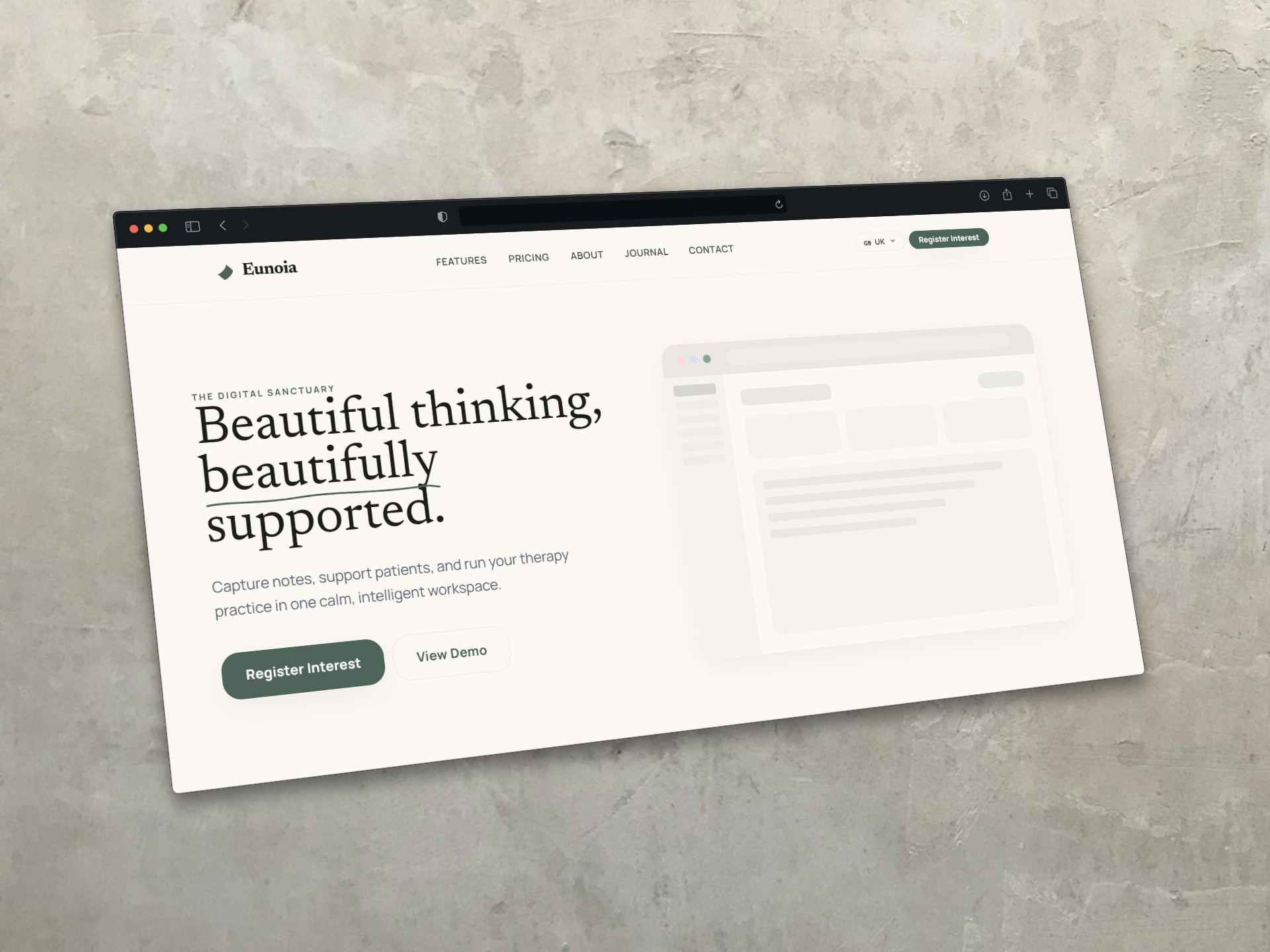
Eunoia
Eunoia – Praxismenedzsment terapeutáknak
Egy praxismenedzsment operációs rendszer pszichoterapeuták számára – amelyet azért fejlesztettünk, hogy csökkentse a terápiás munka adminisztratív terheit, így a szakemberek arra fordíthatják az idejüket, ami igazán számít.
View article