
Product Analytics for SaaS: The Instrumentation Layer Most Founders Build Too Late
SaaS companies with mature product analytics show 36% higher growth rates. The average time to actionable analytics post-launch is 14 months. Teams without it spend 2× more engineering time building features that do not drive retention.

Every SaaS product team makes product decisions. The question is whether those decisions are made with evidence or with opinion. In the early stage, opinion is often the only thing available — there are not enough users or enough data to distinguish signal from noise. But the window in which opinion is a reasonable substitute for data closes faster than most founders expect, and the teams that have built instrumentation before they need it make better decisions at every subsequent point in the product's development.
SaaS companies with mature product analytics infrastructure grow 36% faster than their peer group according to a study by OpenView Partners. The mechanism is not mysterious: they build features users actually use rather than features the team thinks users want, and they catch retention problems before they compound into churn crises.
The Instrumentation Gap
The average time between a SaaS product launching and that product having actionable analytics is 14 months according to research by Amplitude. In that 14-month window, the team is making product decisions on the basis of customer support tickets, anecdotal feedback, and gut instinct. Some of those decisions are correct. A predictable fraction are wrong in ways that would have been visible in the data.
The reason instrumentation is deferred is that it feels optional in the early stage. There are not many users. The team knows them individually. You do not need analytics to understand what ten customers are doing — you can just talk to them. This is true and useful reasoning at ten customers. It breaks down at one hundred, is unreliable at one thousand, and is actively misleading at ten thousand.
What to Instrument and When
The minimum viable instrumentation stack for a SaaS product in production: an event tracking library (Segment, PostHog, or Mixpanel) with events fired on every meaningful user action — sign up, activate a feature, complete a core workflow, invite a team member, upgrade, and churn; a funnel analysis on the activation path from sign-up to first value moment; retention cohort analysis showing week-1, week-4, and week-12 retention by signup cohort; and feature adoption rates by user segment.
These are not advanced analytics. They are the baseline data that lets the team answer the most important early-stage product questions: where in the activation funnel are users dropping off? Which features correlate with retention? Which user segments activate and retain well, and which do not? What does the behaviour of churned users look like in the week before they churn?
Feature flags, when instrumented with analytics, allow teams to run controlled experiments on product changes rather than shipping blind. A feature that looks like an improvement in qualitative testing that turns out to reduce activation by 8% in production is a failure mode that analytics catches and gut instinct does not.
Building Instrumentation Into the Development Process
At Octopus, we treat product analytics instrumentation as a delivery requirement, not a post-launch task. Every feature we build includes the event tracking for that feature's core interactions as part of the acceptance criteria. The analytics are live when the feature ships, not added three months later after someone realises they cannot measure whether it worked.
We also build the observability layer — structured logging, error tracking, performance monitoring — as a separate but complementary concern. Product analytics tells you what users are doing. Observability tells you what the system is doing. Together they give the team the situational awareness to make good decisions about both product direction and infrastructure investment.
The teams that build this infrastructure before they need it are the ones that can answer the questions that matter when it counts.
Keep reading

AI & Technology · 17 April 2026
Everyone's Building Tools With Claude. The Hard Part Is Shipping Them.

Development · 17 April 2026
Umbraco vs WordPress: Why Serious Businesses Are Making the Switch
AI & Technology · 17 April 2026
Umbraco 17 Is Here — And It Changes How You Work
Also from our work
Eunoia
Eunoia – Praxismenedzsment terapeutáknak
Egy praxismenedzsment operációs rendszer pszichoterapeuták számára – amelyet azért fejlesztettünk, hogy csökkentse a terápiás munka adminisztratív terheit, így a szakemberek arra fordíthatják az idejüket, ami igazán számít.
View article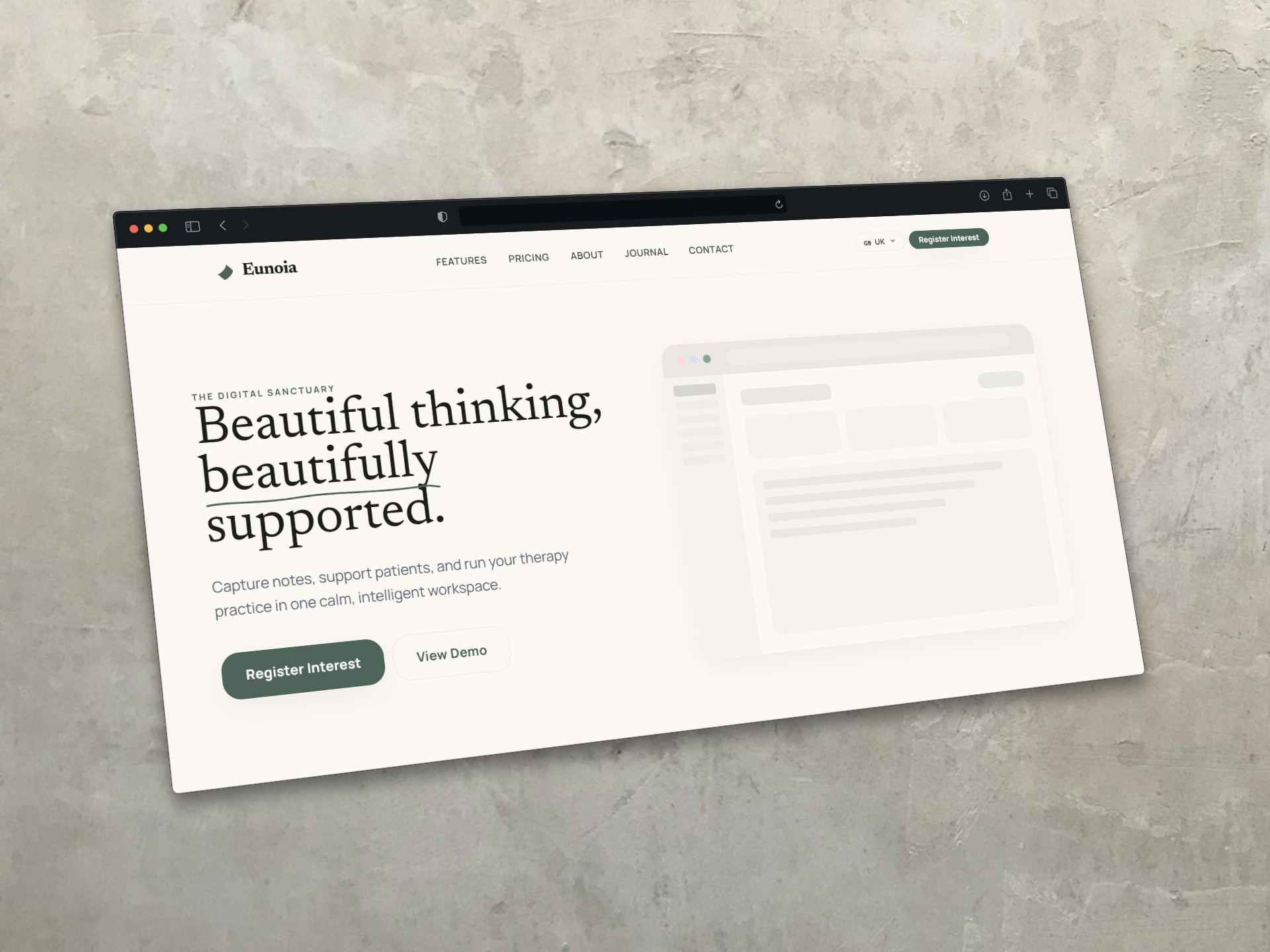
Keep Reading