
From MVP to Scale: The 5 Architectural Decisions You Cannot Defer Past 1,000 Users
60% of SaaS startups face major architectural rework before Series A. The decisions that cause it are predictable. Here are the five you need to make correctly before growth compounds the cost of getting them wrong.
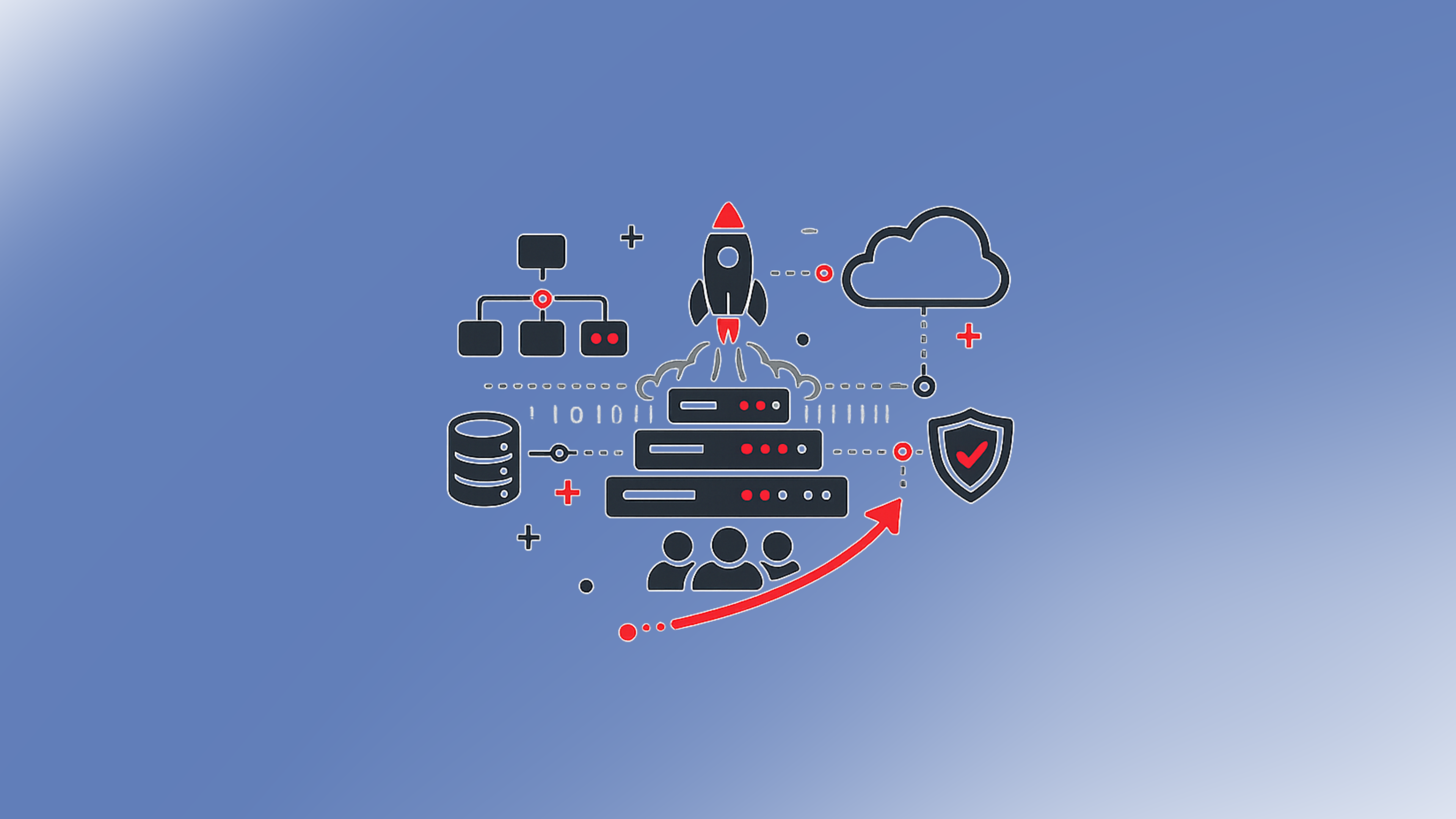
The MVP architecture that gets you to your first 100 customers is almost certainly wrong for your first 1,000. That is not a criticism — it is a feature of good startup engineering. Moving fast in the early stage requires accepting architectural debt that would be inappropriate at scale. The problem is not the debt; it is when teams fail to recognise that the window for addressing it is closing, and continue deferring decisions until the cost of addressing them has compounded significantly.
60% of SaaS startups face major architectural rework before reaching Series A according to research from the Startup Genome Project. The rework consumes engineering capacity during the phase when feature velocity matters most, and it is almost always caused by a small set of predictable decisions made (or deferred) in the first 12 months.
Decision 1: Authentication and Authorisation Architecture
The most commonly under-engineered aspect of early SaaS products is the permissions model. A simple boolean 'is_admin' field that works for ten customers becomes a liability at 100 when enterprise customers require role-based access control, team-level permissions, and audit logging. Retrofitting RBAC into a system built around binary permission checks is a substantial project.
Build the authorisation model correctly from the start: a role-based system with resource-level permissions, even if in the early stage there are only two roles and three resource types. The extension cost is low; the refactoring cost later is high.
Decision 2: Event Architecture and Audit Logging
Enterprise customers will ask for audit logs. Regulated industries will require them. Data teams will want event data for analytics. The question is not whether you will need an event architecture — it is whether you build it in or retrofit it.
Retrofitting event emission to an existing codebase means touching every state-changing operation in the application. Building it in means establishing the pattern early and applying it consistently as the codebase grows. The former is a week-long project that becomes a month-long project that becomes a quarter-long project at scale.
Decision 3: Background Job Infrastructure
Every SaaS product eventually needs to run jobs outside the request/response cycle: sending emails, generating reports, processing uploads, syncing with third-party services, running scheduled operations. Building these as synchronous operations in the API works at small scale and fails in production at the worst moments.
Establishing a proper job queue infrastructure — Bull, Sidekiq, or equivalent — before it is urgently needed means the pattern is available and tested when the first time-sensitive background operation is required. The alternative is an emergency migration under production pressure.
Decision 4: Multi-Tenancy Model
Covered at length in our dedicated article on multi-tenancy architecture, but the short version: the choice between database-per-tenant silo and shared-pool isolation is the hardest to reverse and the most expensive when made incorrectly. Make it explicitly, based on your customer profile and compliance requirements, before you have enough tenants to make migration painful.
Decision 5: Observability from Day One
A production SaaS system without structured logging, distributed tracing, and error monitoring is a system that will fail in ways you cannot diagnose. The first production incident on an unobserved system is an extended outage followed by a period of guesswork.
Sentry for error monitoring, structured JSON logging with correlation IDs, and basic metrics on API response times and database query performance are the minimum viable observability stack. They take a day to set up. They save days of incident diagnosis.
At Octopus, these five decisions are addressed explicitly in the architecture phase of every SaaS engagement. The goal is a product that is not just functional at MVP launch, but structurally capable of the growth its commercial ambitions require — without a disruptive rework project at the worst possible moment.
Keep reading

AI & Technology · 17 April 2026
Everyone's Building Tools With Claude. The Hard Part Is Shipping Them.

Development · 17 April 2026
Umbraco vs WordPress: Why Serious Businesses Are Making the Switch
AI & Technology · 17 April 2026
Umbraco 17 Is Here — And It Changes How You Work
Also from our work
Eunoia
Eunoia – Praxismenedzsment terapeutáknak
Egy praxismenedzsment operációs rendszer pszichoterapeuták számára – amelyet azért fejlesztettünk, hogy csökkentse a terápiás munka adminisztratív terheit, így a szakemberek arra fordíthatják az idejüket, ami igazán számít.
View article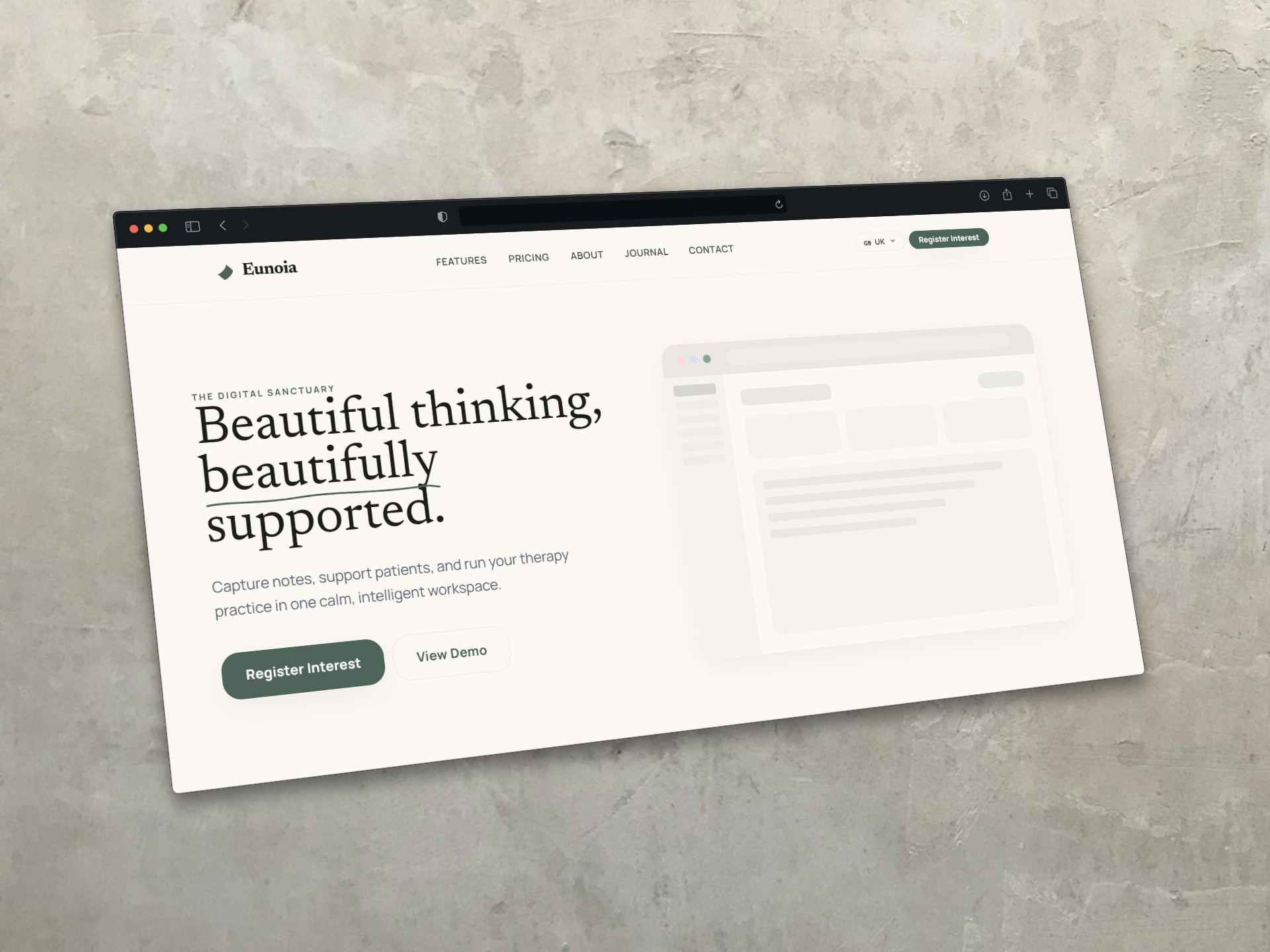
Keep Reading