
SaaS Multi-Tenancy Architecture: Choosing Between Silo, Pool, and Hybrid Before It Is Too Late
The wrong multi-tenancy model adds 40–60% to refactoring costs at scale. 78% of SaaS security breaches involve tenant data isolation failures. This is the architectural decision that is hardest to reverse after launch.
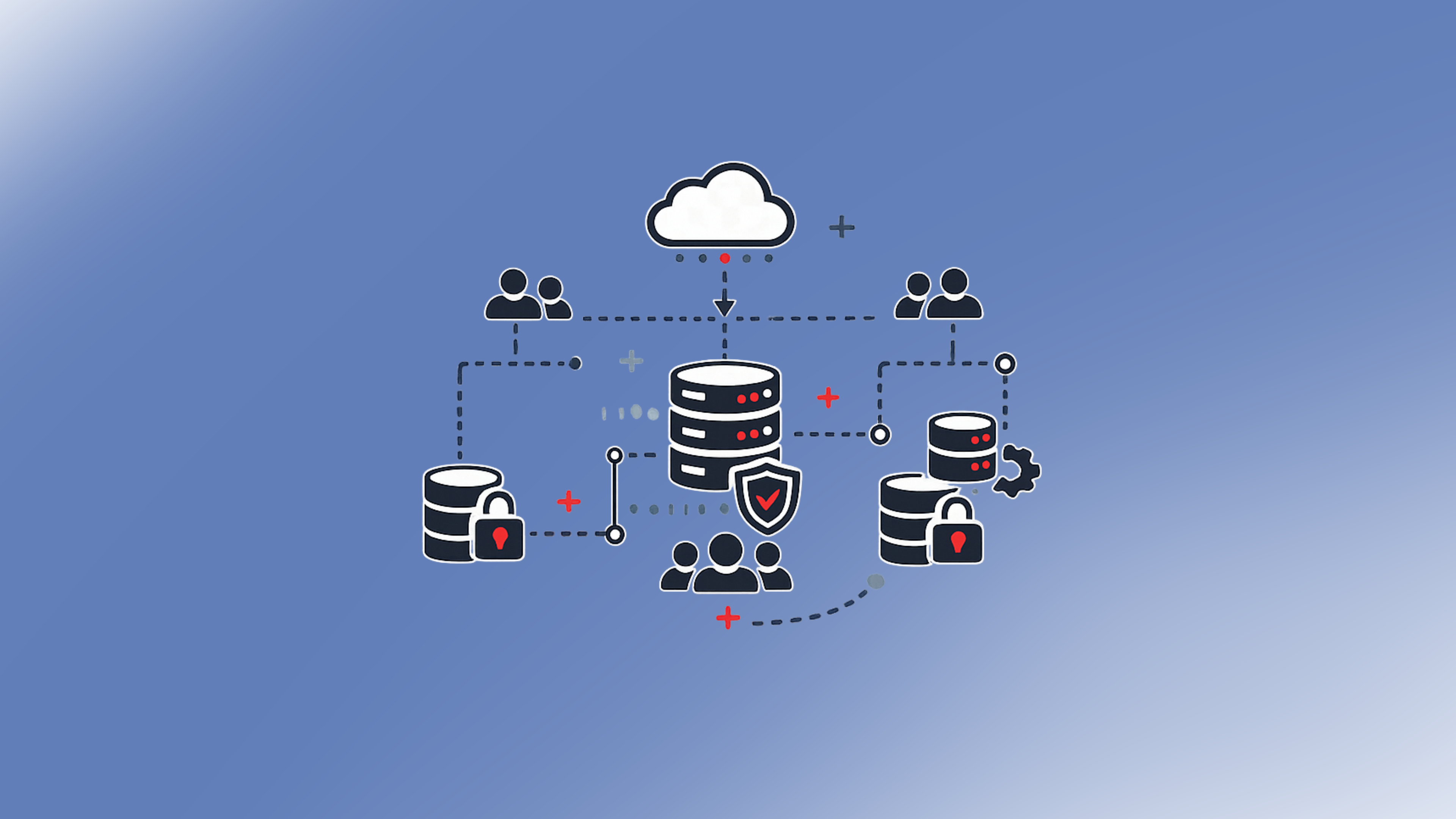
Multi-tenancy is the architectural pattern that makes SaaS economics work: multiple customers sharing a single deployment of the application, each seeing only their own data, with the infrastructure and maintenance costs amortised across the customer base. How you implement that pattern — the specific approach to isolating tenant data and compute — determines your product's security posture, performance ceiling, compliance capability, and refactoring cost for the life of the platform.
Most early-stage SaaS teams make this decision implicitly, by building the first version in whatever pattern feels natural, and discover the implications only when the approach constrains something they need to do later. The discovery is always expensive.
The Three Models
Silo (database-per-tenant): Each tenant has their own database. Data isolation is absolute — there is no possible query that could return another tenant's data because the databases are physically separate. Compliance with regulations that require data residency or strict data segregation (GDPR, HIPAA, SOC 2) is straightforward. The cost: infrastructure overhead scales with customer count, operational complexity is higher, and cross-tenant analytics requires aggregation from separate databases.
Pool (shared database, row-level isolation): All tenants share a single database schema. Tenant identity is embedded in every table row, and application-level logic ensures queries filter by tenant. Infrastructure cost is low and scales efficiently. The risk: a bug in the tenant-isolation logic can expose one tenant's data to another. This is not a theoretical risk — it is the most common vector in SaaS data breach incidents.
Hybrid: Different tiers of customers get different isolation. Enterprise customers or regulated industries get silo isolation; standard customers share pooled infrastructure. This is the model most mature SaaS platforms eventually migrate to, often at significant cost because the migration was not planned from the start.
78% of SaaS security incidents involving data exposure are rooted in tenant isolation failures according to research by the Cloud Security Alliance — almost always in shared-pool architectures where row-level security was implemented incorrectly or incompletely.
Making the Right Choice
The decision framework turns on three variables: the customer profile, the regulatory environment, and the expected scale of operations.
If your customer base includes enterprises with compliance requirements, or if you are selling into healthcare, financial services, or legal sectors, silo architecture or hybrid with enterprise-tier silo is the only viable long-term model. The compliance conversations are significantly simpler when you can demonstrate physical data isolation.
If your customers are SMBs in non-regulated industries, pooled architecture with rigorous row-level security is operationally simpler and scales cost-effectively. The requirement is that the isolation is implemented correctly from day one — which means tenant ID columns on every table, database-level row security policies, and no application code path that can bypass the filter.
The Migration Cost of Getting It Wrong
Migrating from a pool to a silo architecture at scale adds 40–60% to the refactoring cost of the migration relative to building silo from the start, based on estimates from engineering teams who have done it. The migration affects every data access pattern in the application, the deployment infrastructure, the operational tooling, and the backup and restore procedures. It is a multi-month engineering project that freezes major feature development.
We make multi-tenancy architecture an explicit discussion in the first week of every SaaS engagement. The right model for the specific product, customer profile, and growth trajectory is established before a line of application code is written — because changing it later is one of the most expensive architectural mistakes a SaaS business can make.
Keep reading

AI & Technology · 17 April 2026
Everyone's Building Tools With Claude. The Hard Part Is Shipping Them.

Development · 17 April 2026
Umbraco vs WordPress: Why Serious Businesses Are Making the Switch
AI & Technology · 17 April 2026
Umbraco 17 Is Here — And It Changes How You Work
Also from our work
Eunoia
Eunoia – Praxismenedzsment terapeutáknak
Egy praxismenedzsment operációs rendszer pszichoterapeuták számára – amelyet azért fejlesztettünk, hogy csökkentse a terápiás munka adminisztratív terheit, így a szakemberek arra fordíthatják az idejüket, ami igazán számít.
View article
Keep Reading