
Headless Shopify in 2026: The Real Trade-offs Before You Commit to the Migration
Headless Shopify builds cost 3–5× more upfront. Performance gains of 40–60% are real. But 35% of headless migrations are reversed within two years. Here is the honest framework for deciding whether it is right for you.
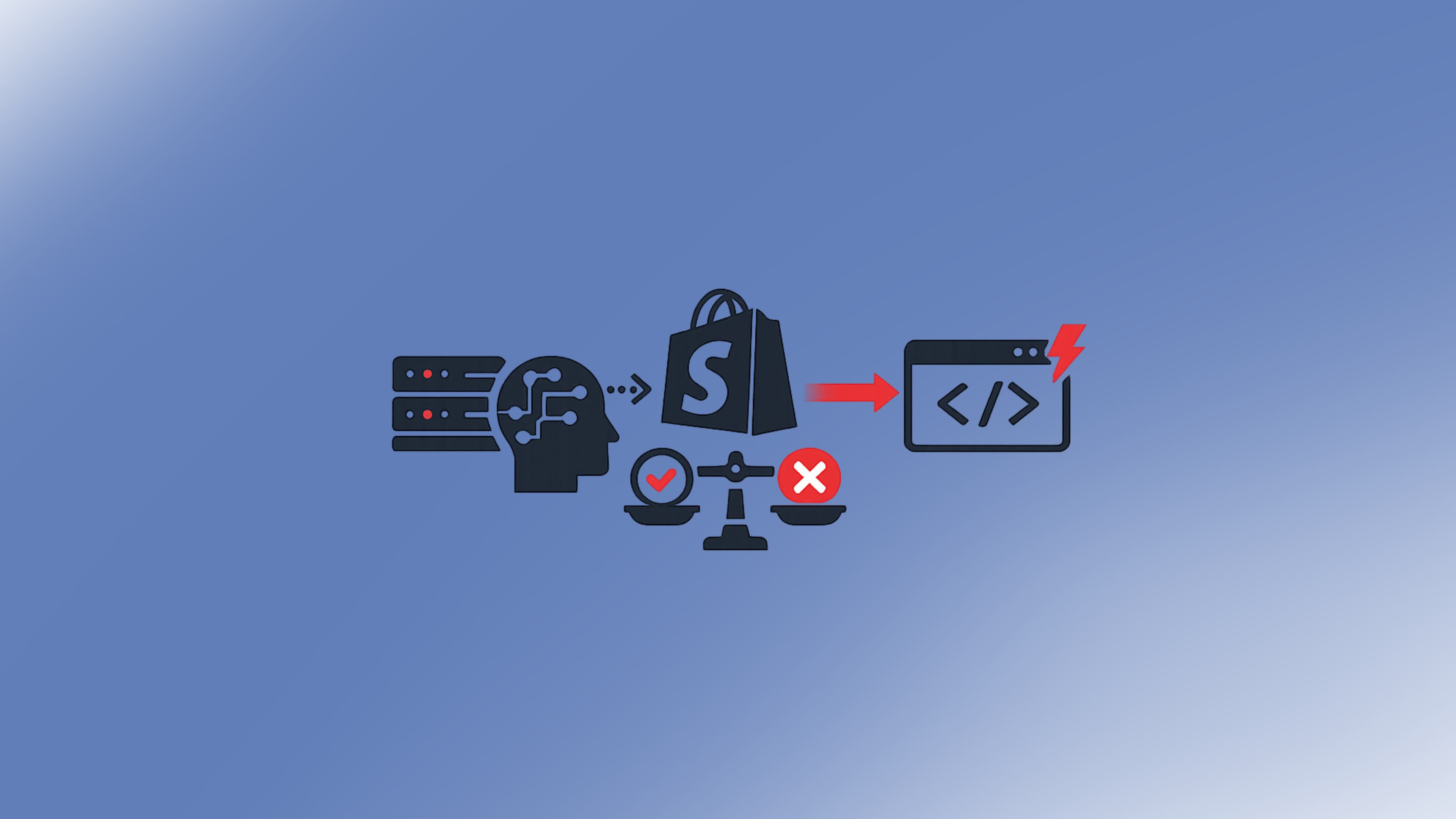
Headless commerce has been the most discussed and most misapplied architectural pattern in ecommerce for the past four years. The pitch is straightforward: decouple the Shopify back-end (products, inventory, checkout, payments) from the front-end presentation layer, build a custom Next.js or Remix storefront that calls Shopify's Storefront API, and gain the performance and design flexibility that Liquid themes cannot provide.
The pitch is accurate. The context it omits is what makes the decision expensive when it is made for the wrong reasons.
Where the Performance Case Is Real
Custom headless storefronts consistently achieve 40–60% improvements in Core Web Vitals scores compared to equivalent Liquid theme-based stores, primarily through the ability to control the JavaScript bundle precisely, implement advanced image optimisation pipelines, use edge rendering for personalised content, and eliminate the performance overhead of Shopify's theme layer.
For stores where performance is a direct commercial lever — premium brands where a 2-second load time sends a signal inconsistent with the brand's positioning, high-traffic flash sale events where load time directly correlates with revenue per minute, or markets where mobile network conditions make every kilobyte of JavaScript costly — the performance case is genuine.
Where the Business Case Breaks Down
Headless Shopify builds cost 3–5× more upfront than a well-configured Liquid theme because you are building a custom application rather than configuring a platform. The Shopify app ecosystem — the plugins that handle subscriptions, loyalty, reviews, bundles, and a hundred other ecommerce functions — typically integrates with Liquid themes through script injection that does not work in a custom storefront. Each app you relied on in your Liquid store either needs a custom integration or a replacement in your headless stack.
35% of headless commerce migrations are reversed within two years according to Gartner's ecommerce research. The most common reasons: the development cost exceeded projections because app ecosystem replacement was underestimated; the performance gains were achievable with a well-optimised Liquid theme at a fraction of the cost; or the internal team did not have the technical capability to maintain a custom application and build costs escalated.
The Threshold Question
The honest threshold for headless Shopify viability is approximately £2M GMV with a clear performance or design constraint that a Liquid theme genuinely cannot address. Below that threshold, a well-configured Liquid theme on a modern Shopify plan — with proper image optimisation, deferred JavaScript loading, and a performance-conscious theme architecture — will match or approach the user experience of a headless build at a fraction of the development and maintenance cost.
The design flexibility argument for headless — 'we want complete creative control' — is often overstated. Shopify's theme system has become significantly more flexible with OS 2.0 sections and blocks, and the constraint it imposes is rarely the actual limitation on creative ambition for most merchants.
When We Recommend Headless and When We Do Not
We have built headless storefronts for clients where the case was clear — Rocket Store, our custom Shopify front-end for the Rocket OS ecosystem, required deep bi-directional ERP integration that Liquid themes cannot support. The integration requirements justified the custom build.
For clients approaching us with headless ambitions driven primarily by performance concerns or design flexibility, we begin with a Lighthouse audit of the current store and a structured assessment of what a well-optimised Liquid theme could achieve. In roughly half those cases, the optimised theme closes the gap sufficiently that headless is not the right commercial decision. In the other half, it is — and those clients go into the project with an accurate understanding of the build and maintenance commitment they are making.
Keep reading

AI & Technology · 17 April 2026
Everyone's Building Tools With Claude. The Hard Part Is Shipping Them.

Development · 17 April 2026
Umbraco vs WordPress: Why Serious Businesses Are Making the Switch
AI & Technology · 17 April 2026
Umbraco 17 Is Here — And It Changes How You Work
Also from our work
Eunoia
Eunoia – Praxismenedzsment terapeutáknak
Egy praxismenedzsment operációs rendszer pszichoterapeuták számára – amelyet azért fejlesztettünk, hogy csökkentse a terápiás munka adminisztratív terheit, így a szakemberek arra fordíthatják az idejüket, ami igazán számít.
View article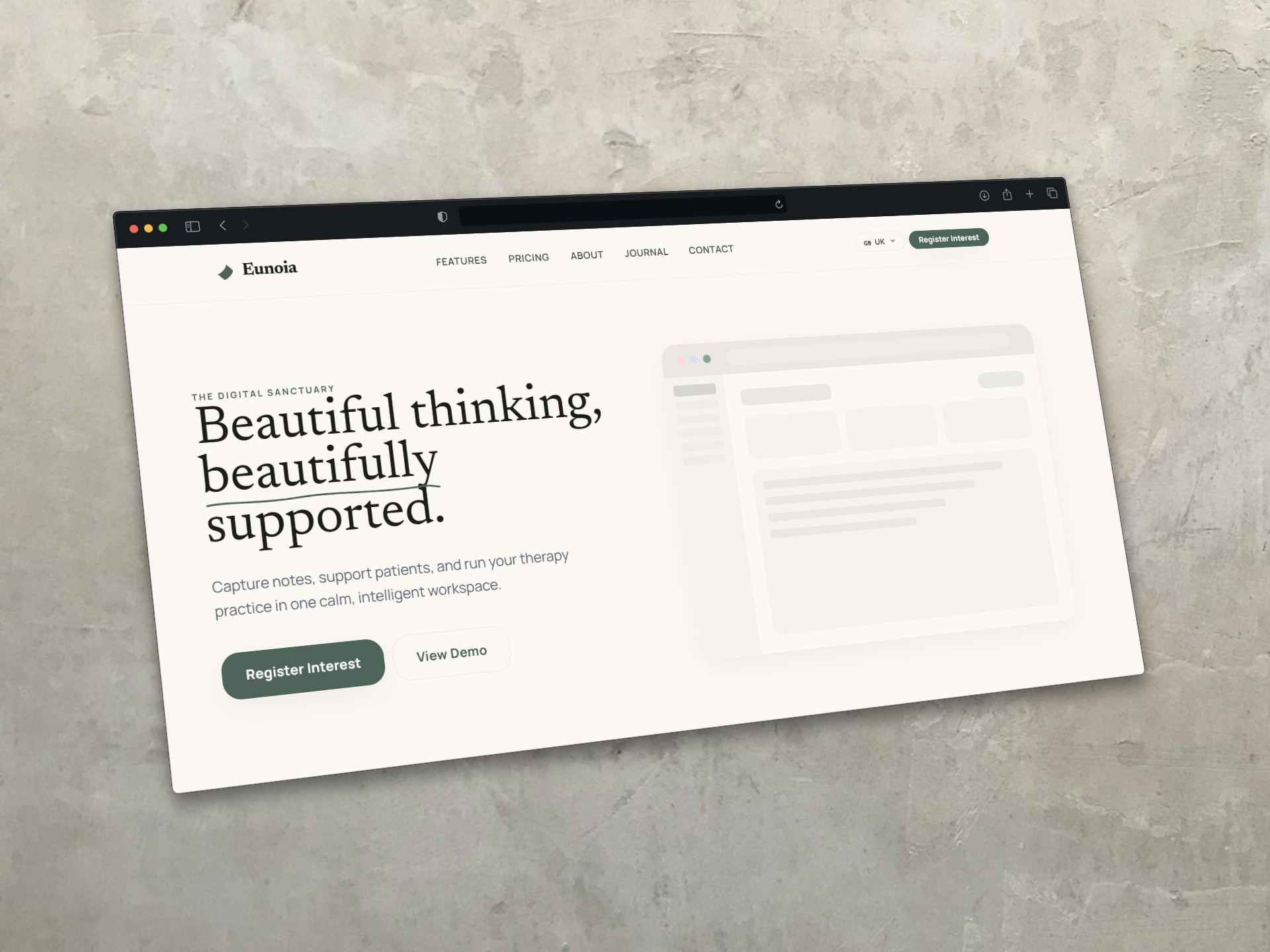
Keep Reading