
The Headless CMS Case for Luxury Hospitality: Managing 12 Properties Without 12 Workflows
Multi-property hotel groups spend 60% more time on content management than they need to. Headless CMS architecture — structured content, shared components, property-specific delivery — solves this without sacrificing brand control.
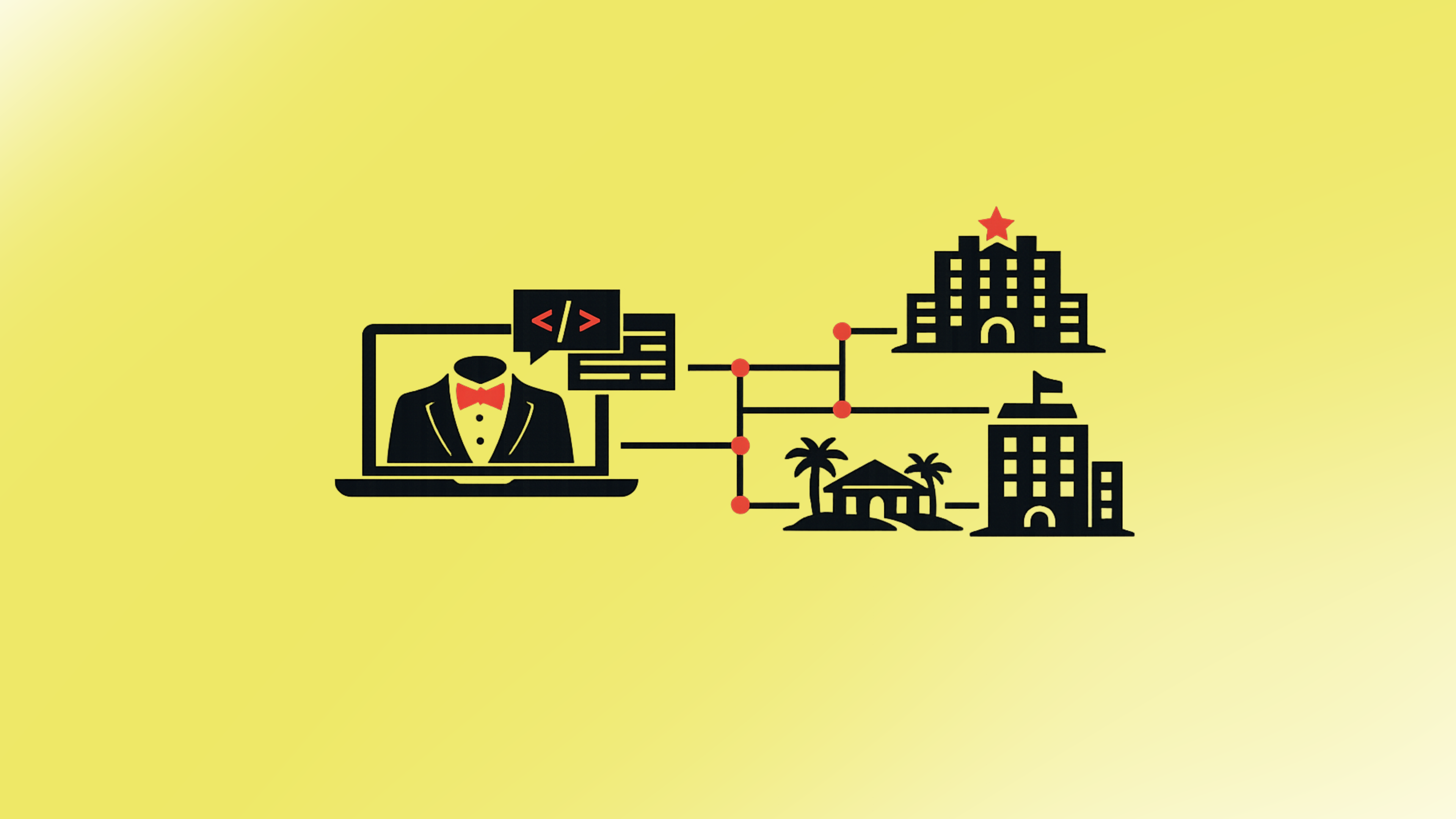
A hotel group with twelve properties and a separate WordPress installation for each is not managing a website estate — it is managing twelve separate content operations, each with its own update workflow, its own plugin compatibility matrix, its own security update schedule, and its own capacity for things to go wrong at inconvenient moments. When a brand guideline changes, the update has to be made twelve times. When a new room category launches across several properties, each property gets its own version of the same content task.
Headless CMS architecture does not eliminate the content work. It structures it so that shared elements are managed once and property-specific elements are managed in context — reducing the overhead of multi-property content operations substantially while giving each property the flexibility to reflect its own identity.
What Headless Actually Means in Practice
'Headless' means separating the content management layer from the presentation layer. Instead of a monolithic CMS where content and templates are tightly coupled, a headless system stores content as structured data and delivers it via API to whatever front-end consumes it — a hotel website, a booking app, a digital in-room directory, or a third-party distribution channel.
For a multi-property group, this architecture enables a content model where global brand elements — typography, colour system, navigation structure, brand copy — are managed centrally. Property-specific content — photography, room descriptions, F&B menus, local experience guides — is managed at the property level. A regional marketing campaign can be published across all properties simultaneously. A menu update at a single property takes five minutes and affects only that property.
Teams using headless CMS architecture report a 60% reduction in time spent on routine content updates, according to research by Storyblok. Time-to-publish for new content drops from days to hours when content editors are not dependent on developer support to make structural changes.
Why Luxury Hospitality Is a Particularly Good Fit
Luxury hospitality has content requirements that stress traditional CMS platforms in specific ways. The photography volumes are high — a single property may have 120+ images across room categories, F&B outlets, spa, events, and editorial content. The multilingual requirements are complex — a property drawing from North America, the Gulf, and Europe may need four or five language variants of every page. The seasonal content churn is significant — menus, offers, and event programmes change multiple times a year.
Sanity, which we use as our primary headless CMS platform for hospitality clients, handles all three well. Its structured content model means images are stored with metadata rather than as raw file uploads — enabling intelligent resizing, format conversion, and focal point cropping without manual intervention. Its translation workflow supports multiple language variants of every document. Its API-first architecture makes it trivial to pull content into any front-end framework.
The Migration Path From Existing Systems
The most common objection to headless CMS adoption is migration cost and disruption. Properties with existing content operations — years of accumulated room descriptions, blog posts, image libraries — reasonably do not want to rebuild from scratch.
We approach this through phased migration: the new architecture launches with fresh content for the primary pages, while legacy content is migrated in the background without affecting the live site. For properties with large content libraries, we build automated migration pipelines that extract structured content from the legacy CMS and map it to the new content model — reducing manual re-entry to the cases where content genuinely needs to be rewritten rather than migrated.
The result is a content infrastructure that scales with the group without scaling the content team proportionally. For operators with growth ambitions — adding properties, entering new markets, launching sub-brands — that scalability is the difference between a website estate that supports expansion and one that becomes a constraint on it.
Keep reading
AI & Technology · 17 April 2026
Everyone's Building Tools With Claude. The Hard Part Is Shipping Them.
Development · 17 April 2026
Umbraco vs WordPress: Why Serious Businesses Are Making the Switch
AI & Technology · 17 April 2026
Umbraco 17 Is Here — And It Changes How You Work
Also from our work
Eunoia
Eunoia – Praxismenedzsment terapeutáknak
Egy praxismenedzsment operációs rendszer pszichoterapeuták számára – amelyet azért fejlesztettünk, hogy csökkentse a terápiás munka adminisztratív terheit, így a szakemberek arra fordíthatják az idejüket, ami igazán számít.
View article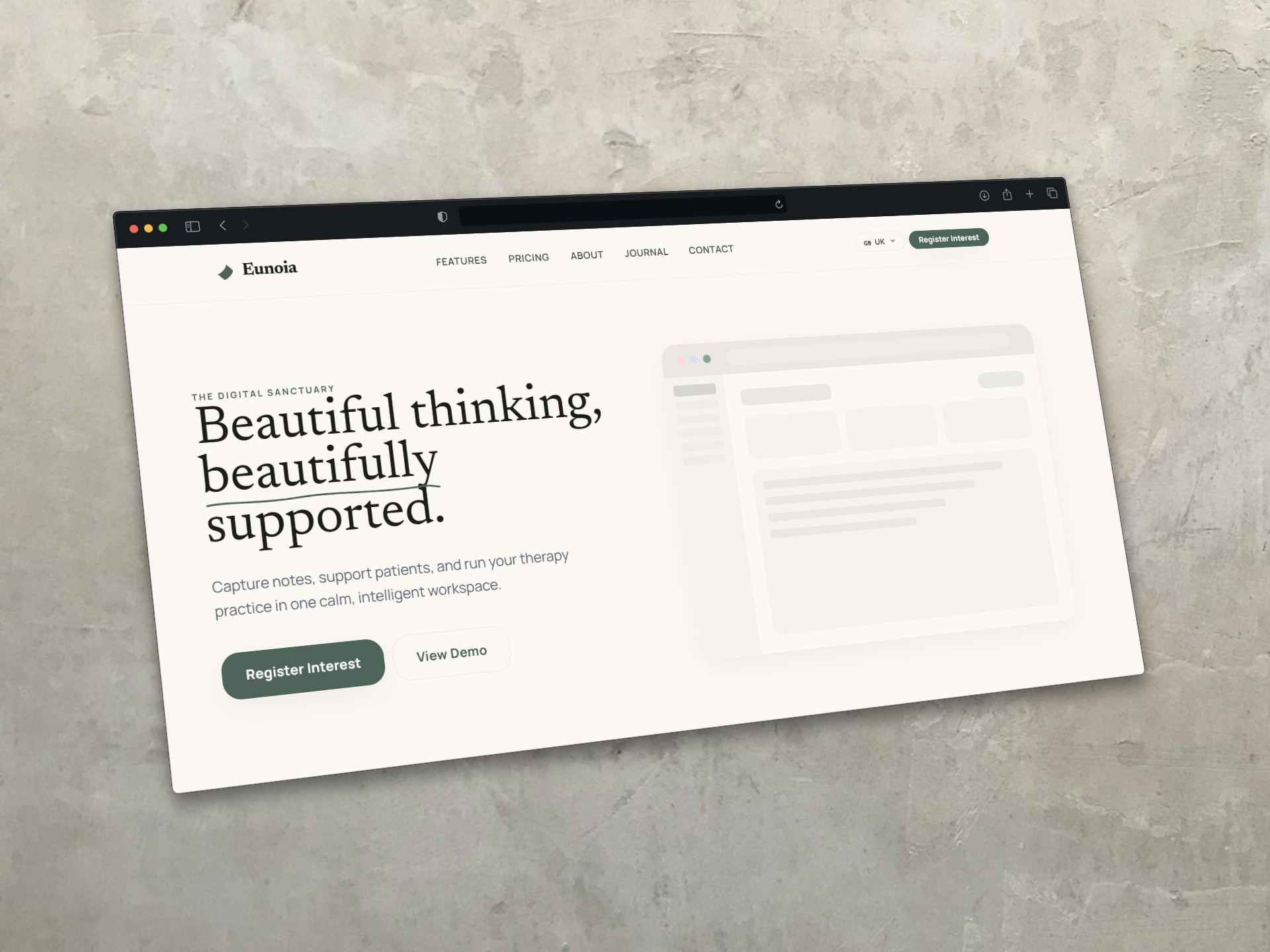
Keep Reading