
Design Systems in 2026: Why Every Growing Company With More Than Three Developers Needs One
Companies with design systems ship features 47% faster. QA time drops 30%. Figma reports 85% of product teams now have or are building one. The question is no longer whether to invest — it is how to build one that actually gets used.
The design system conversation in 2026 has moved past the question of whether they are valuable. The business case is settled: teams that operate with a shared component library, documented design tokens, and consistent interaction patterns ship faster, with fewer regressions, and with more consistent output across their product surface area. The conversation now is about why so many of them fail to achieve those benefits — and what the ones that work do differently.
A design system is not a Figma file and a Storybook instance. Those are artefacts. A design system is a shared understanding of how the product looks, behaves, and scales — encoded in components that are used rather than referenced, documented in ways that developers and designers actually consult, and governed in a way that makes contributing easier than circumventing.
The Numbers Behind the Business Case
A 2024 study by the Design Systems Handbook and Zeroheight found that companies with mature design systems ship features 47% faster than those without. QA time drops by approximately 30% because components with established test coverage do not require re-testing with each deployment. Designer and developer handoff time decreases because the vocabulary is shared — a designer specifying a 'modal-confirmation-destructive' component and a developer implementing it are referring to the same thing.
The onboarding benefit is significant and rarely quantified. A new developer joining a product team with a mature design system can contribute to the product's UI within days. Without one, the same developer spends weeks learning the implicit conventions that experienced team members carry in their heads — and makes inconsistency-introducing decisions in the meantime.
Why Most Design Systems Fail
The failure mode is almost never technical. Design systems fail because they are built for completeness rather than adoption, because they are maintained by a team that is separate from the product teams using them, and because the cost of using them is higher than the cost of writing custom code.
A design system that covers every conceivable component before any of them are in production gets abandoned. A design system that starts with the ten components used on 80% of the product's pages, gets them into production, and collects feedback from the people using them, gets adopted. The difference is sequencing: build for the current pain, not the imagined future.
The governance model matters as much as the components. A design system maintained by a small centralised team that controls all contributions creates a bottleneck and a resentment. Product teams that cannot get a component built in time will write their own, creating the very inconsistency the design system was meant to prevent. Open contribution models — where product teams can propose and build new components within defined standards — avoid the bottleneck and distribute the maintenance load.
What We Build and Why
At Octopus, we build design systems as living infrastructure rather than project deliverables. The system is initialised during the first project with a client, seeded with the components needed for that project, and designed from the start to be extended by the client's own team after handover.
This means the documentation is written for the people who will use it — developers who need to understand props and variants, not designers who built the components. It means the component API is designed to be ergonomic for the cases that appear most frequently, not to be theoretically complete. And it means the visual regression testing is set up from day one, so that changes to core components do not silently break pages that depend on them.
The result is a design system that increases in value over time rather than decaying as the product evolves past it. That is what makes the 47% faster shipping figure sustainable rather than a one-time gain.
Keep reading

AI & Technology · 17 April 2026
Everyone's Building Tools With Claude. The Hard Part Is Shipping Them.

Development · 17 April 2026
Umbraco vs WordPress: Why Serious Businesses Are Making the Switch
AI & Technology · 17 April 2026
Umbraco 17 Is Here — And It Changes How You Work
Also from our work
Eunoia
Eunoia – Praxismenedzsment terapeutáknak
Egy praxismenedzsment operációs rendszer pszichoterapeuták számára – amelyet azért fejlesztettünk, hogy csökkentse a terápiás munka adminisztratív terheit, így a szakemberek arra fordíthatják az idejüket, ami igazán számít.
View article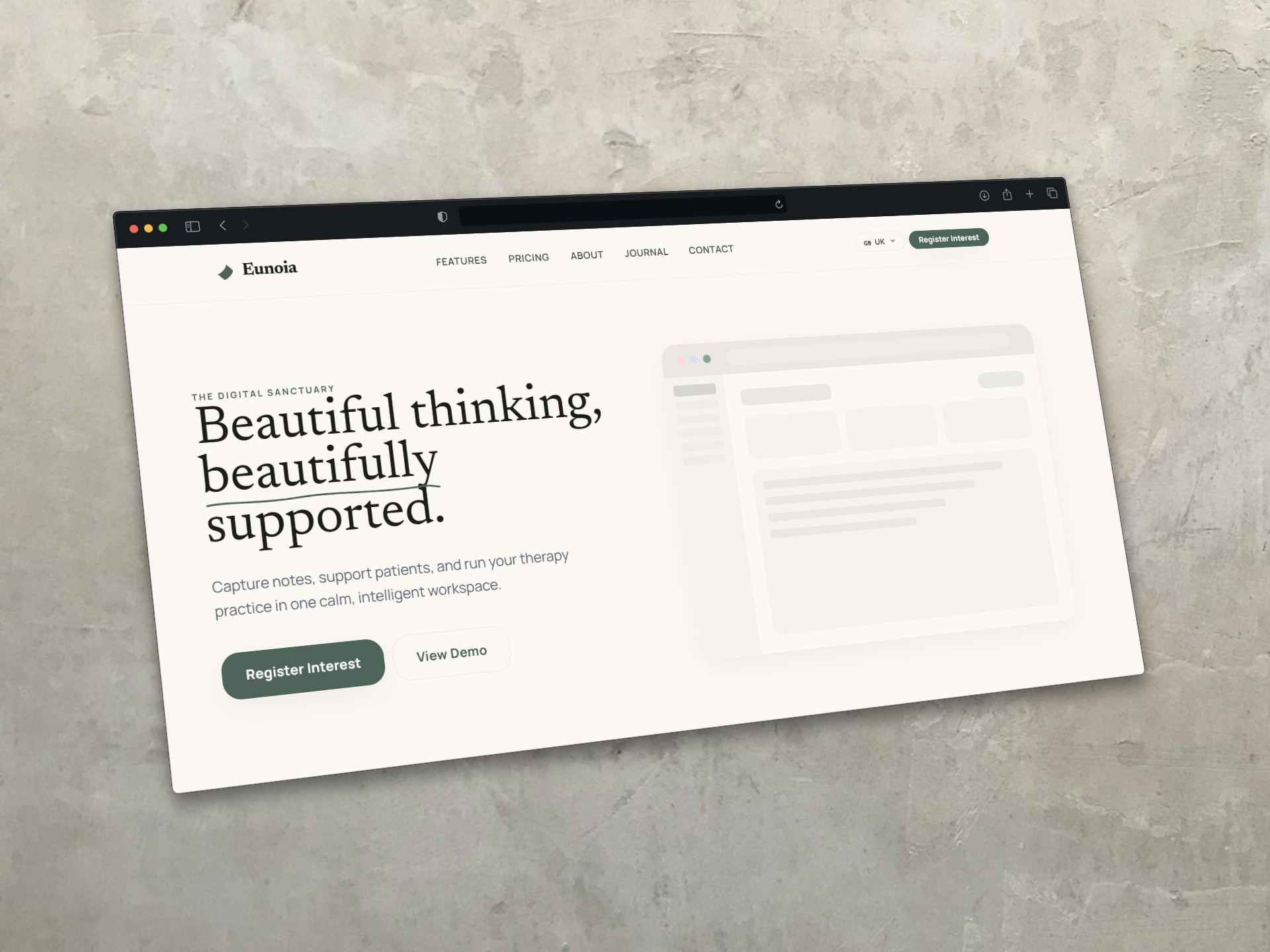
Keep Reading