
AI Feature Development in Production: The Security Checklist Most Teams Skip
OWASP's top risk for LLM applications is prompt injection. 60% of AI features ship without formal threat modelling. Building AI into production systems requires a security framework most development teams have not yet formalised.
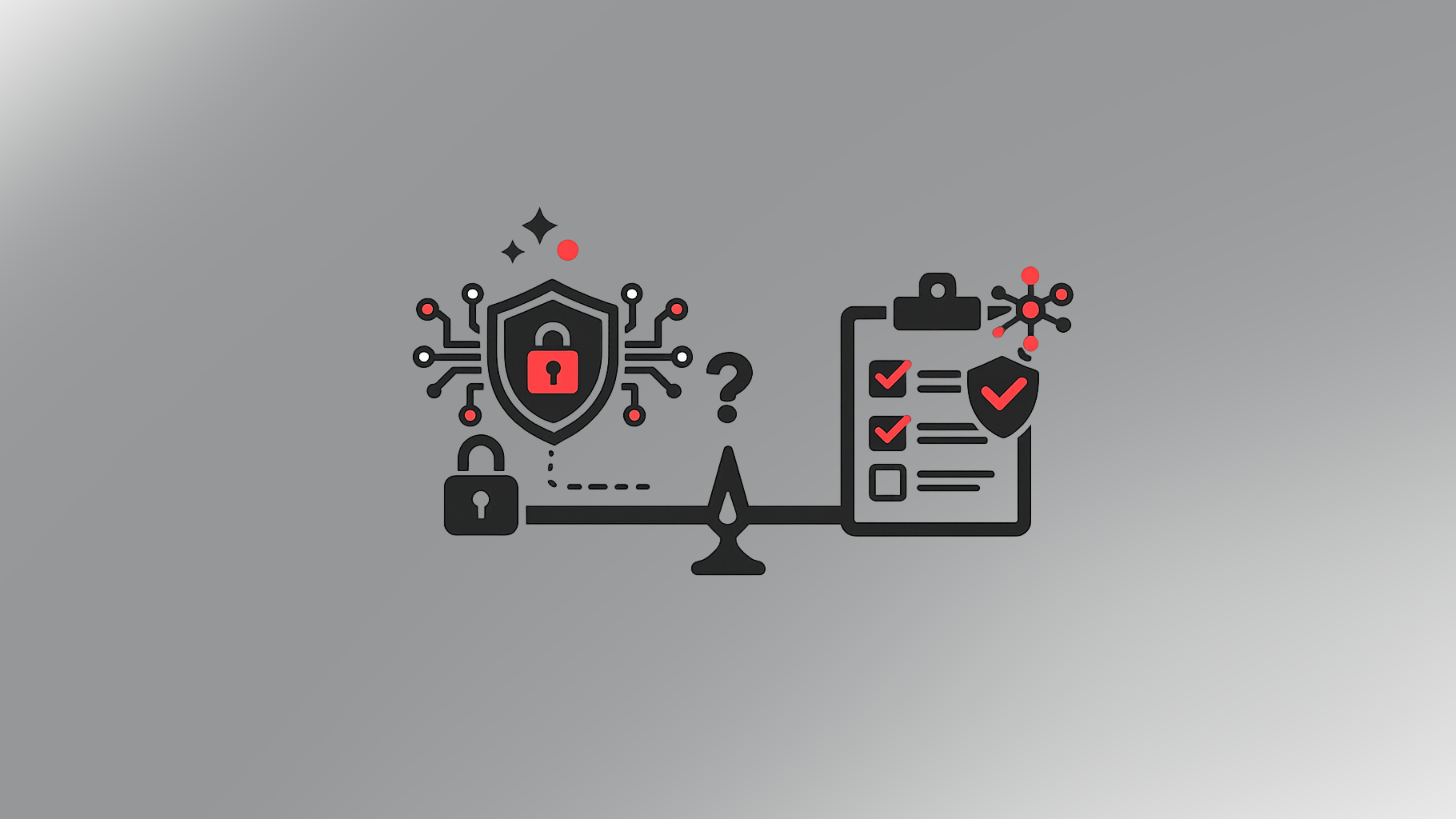
The velocity of AI feature development in 2025 and 2026 has outpaced the security frameworks most teams have in place to govern it. Building a chatbot, an AI-assisted search, or an LLM-powered document processing feature is now fast enough that it can go from prototype to production in a matter of weeks. The security implications of deploying those features — particularly when they interact with user-supplied input, internal data, or external APIs — take longer to think through than the build itself.
OWASP's Top 10 for LLM Applications, first published in 2023 and updated since, describes the specific failure modes that appear when language models are integrated into production systems. Prompt injection tops the list. It is also the most widely misunderstood, because developers who are not thinking about it assume that their application logic sits outside the model's influence. It does not.
Prompt Injection: Why It Is More Serious Than It Sounds
Prompt injection occurs when user-supplied input modifies the behaviour of an LLM in ways the application designer did not intend. In a customer service chatbot, an attacker inputs text that overrides the system prompt and causes the model to return internal instructions, access credentials, or sensitive customer data. In an AI document processing pipeline, a malicious document contains instructions that cause the model to misclassify, alter, or exfiltrate records.
Research published in 2024 demonstrated successful prompt injection attacks against production AI applications from twelve major vendors. The attacks did not require sophisticated technical capability — they required understanding how the system prompt was structured and crafting user input designed to override it.
The mitigation is not a single fix. It is a combination of architectural decisions: strict separation between system-controlled instructions and user-supplied content, output validation that checks model responses against expected schemas before they reach application logic, rate limiting and anomaly detection on model API calls, and sandboxed execution environments for AI features that can affect real data.
The Six Security Checks We Apply to Every AI Feature
1. Threat model before build. Every AI feature begins with an explicit threat model: what data does this feature access? What can a user cause the model to do with that data? What are the consequences of adversarial input? This takes two hours and prevents the class of vulnerabilities that ships because nobody asked the question.
2. Input sanitisation and context isolation. User input is treated as untrusted at the boundary. System prompts and user content are clearly delimited and never concatenated in ways that allow one to influence the other.
3. Output validation. Model outputs are validated against expected types and schemas before they are acted upon. An AI feature that generates SQL, code, or structured data does not pass that output directly to an execution environment.
4. Least-privilege data access. The model or AI agent is given access only to the data it needs for the specific task. It does not have broad read access to the data store on the assumption that the prompt will constrain it.
5. Logging and auditability. Every model call, input, and output is logged with enough context to reconstruct what happened when something goes wrong. AI features without audit trails are incidents waiting to be uninvestigated.
6. Regular adversarial testing. AI features are included in penetration testing scope. The testers specifically attempt prompt injection, jailbreaking, and data exfiltration scenarios relevant to the feature's access level.
The Governance Gap
The majority of teams shipping AI features in 2026 are doing so without a formal AI security policy. They are applying general software security practices to a class of system that has specific additional risks those practices were not designed to address.
At Octopus, we maintain an internal AI-use playbook that is updated as new attack patterns emerge and as the tooling evolves. When we build AI features for clients, the security framework is part of the delivery — not a recommendation for the client's team to implement after handover. The test suite includes adversarial inputs. The documentation includes the threat model. The deployment includes the logging infrastructure.
Shipping an AI feature without this framework is not moving faster. It is deferring a security incident to an unspecified point in the future when the cost of addressing it will be significantly higher.
Keep reading

AI & Technology · 17 April 2026
Everyone's Building Tools With Claude. The Hard Part Is Shipping Them.

Development · 17 April 2026
Umbraco vs WordPress: Why Serious Businesses Are Making the Switch
AI & Technology · 17 April 2026
Umbraco 17 Is Here — And It Changes How You Work
Also from our work
Eunoia
Eunoia – Praxismenedzsment terapeutáknak
Egy praxismenedzsment operációs rendszer pszichoterapeuták számára – amelyet azért fejlesztettünk, hogy csökkentse a terápiás munka adminisztratív terheit, így a szakemberek arra fordíthatják az idejüket, ami igazán számít.
View article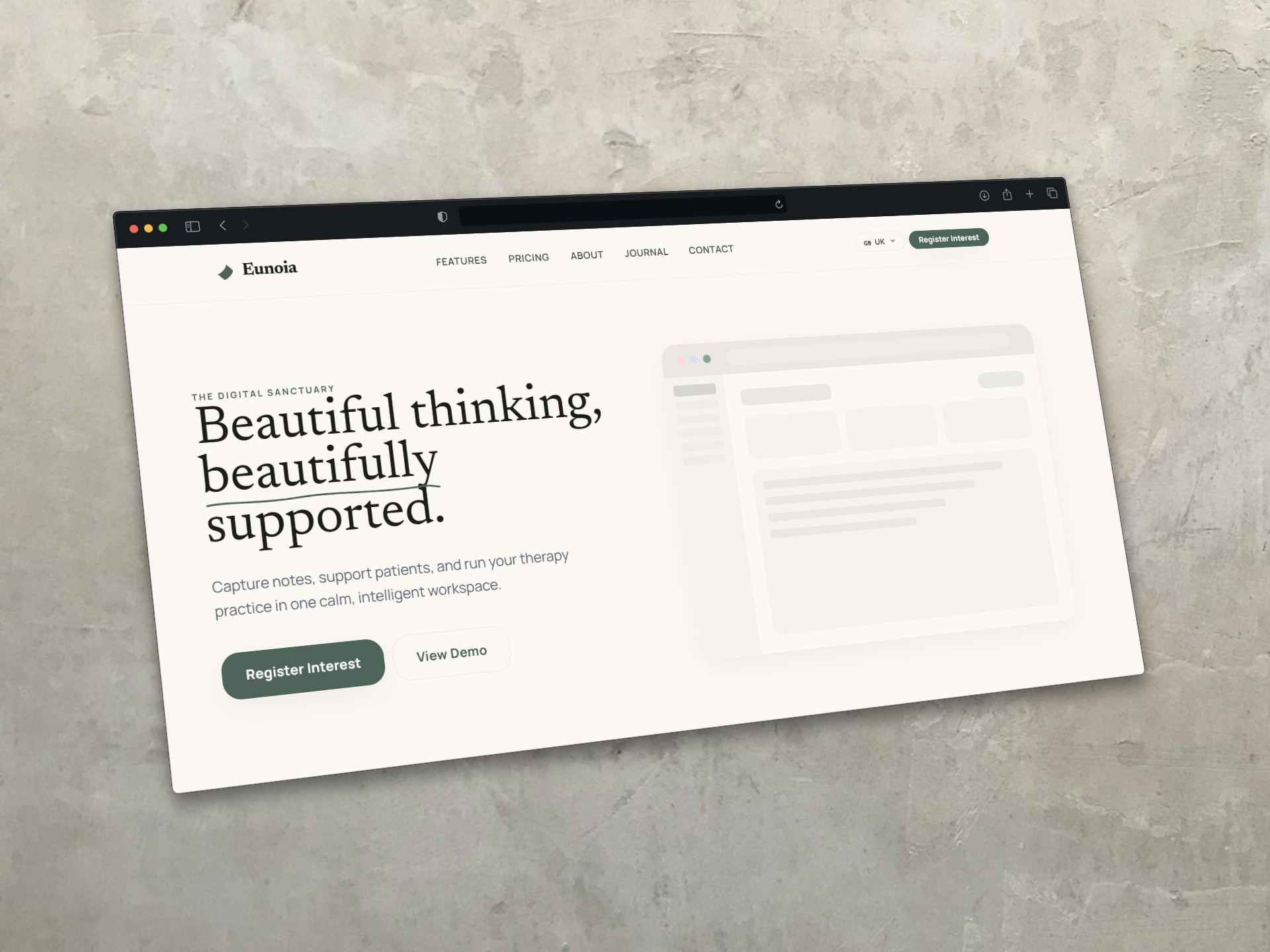
Keep Reading